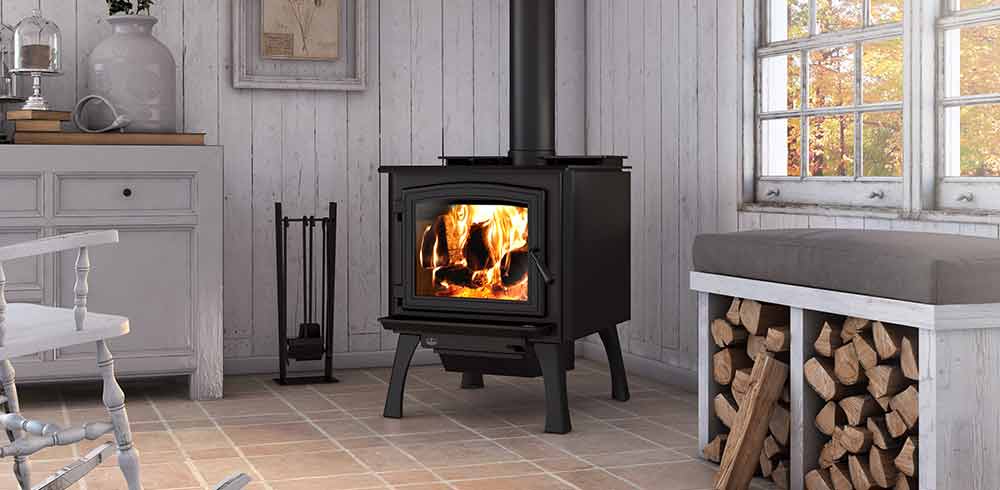
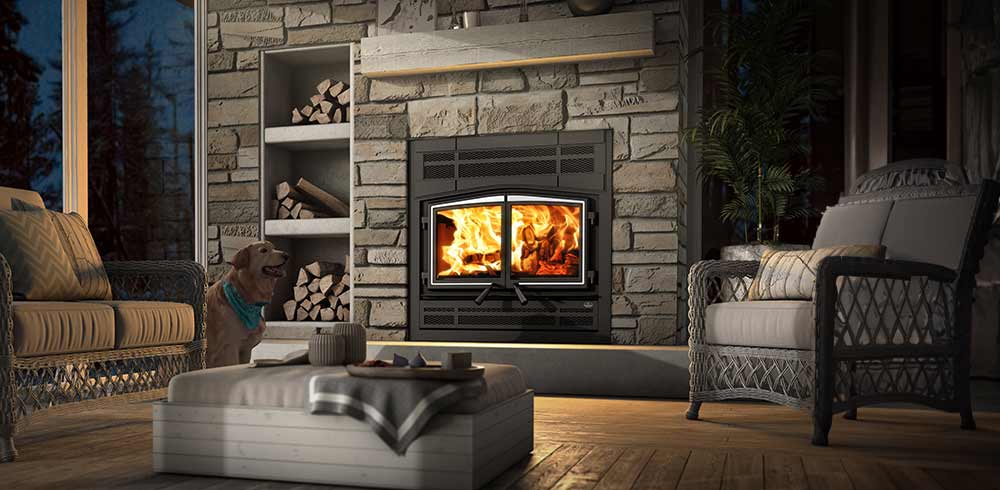
Choosing a wood-burning fireplace starts with three decisions: where it will be installed, how you want to use it and what chimney system your home can accommodate. A built-in fireplace, fireplace insert and freestanding wood stove can each suit a different project, so the right choice involves more than appearance alone.
This wood fireplace buying guide explains how to compare installation types, heating capabilities, costs and features so you can narrow down your options before purchasing.
Is a Wood-Burning Fireplace Right for Your Home?

A wood fire brings the sound, scent and appearance of burning logs into your living space. For homeowners who enjoy tending a fire, it can become a welcome part of evenings at home or weekends at a cabin.
Before choosing an appliance, decide whether your priority is ambiance or regular supplemental heating. An open wood fireplace and an enclosed wood heating appliance should not be treated as interchangeable. If heating performance matters, compare appliances designed for that purpose rather than choosing by the size of the flame or fireplace opening.
Also consider the work involved. You will need space for dry firewood, time to build and tend fires, and a plan for ash removal and ongoing appliance and chimney maintenance. Potential heating savings depend on your appliance, firewood costs, usage and existing heating system.
Compare Wood Fireplace Installation Types
The first step is matching the appliance to your project. Are you building a new fireplace, updating an existing one or adding a freestanding heat source?
Built-In Wood Fireplaces

Built-in wood fireplaces are manufactured appliances installed within a framed enclosure. They are worth considering for new construction or a remodel where you can plan the fireplace, chimney route, hearth and surrounding finishes together.
Compare each model's intended use as well as its appearance. Built-in models vary in their heating capabilities, construction and operating requirements. Confirm the required framing dimensions, clearances and chimney components before finalizing your room design.
Wood Fireplace Inserts

A wood fireplace insert is designed for installation within a compatible existing fireplace. It can be an option for homeowners who want to update an open fireplace with an enclosed wood-burning appliance.
An insert does not simply fit any opening with enough room. Your installer must evaluate the existing fireplace, chimney condition, opening dimensions, hearth and required liner configuration. If you have a factory-built fireplace, confirm that the proposed insert installation is permitted by the applicable manufacturer instructions and listings.
Many inserts offer blowers to help circulate warmed air into the room. Check whether a blower is included, optional or unavailable, along with any electrical requirements.
Freestanding Wood Stoves

A freestanding wood stove sits within the room rather than inside a framed fireplace enclosure. This can make it a useful option for a home or cabin where a built-in fireplace does not suit the layout.
A stove can be installed without an existing masonry chimney, but it still requires an appropriate chimney system. Plan for the appliance footprint, floor protection, chimney route and clearances from walls, furniture and other combustible materials.
Choose the Right Size and Heating Capacity
Size has two meanings when shopping for a wood fireplace: the space required to install it and its suitability for the area you want to heat. Both need attention before you buy.
- Installation dimensions: Review the appliance dimensions, framing or fireplace-opening requirements, hearth requirements and clearances in the installation manual. Allow room for required components and service access.
- Heating goals: Decide whether you want occasional warmth in one room or regular supplemental heat for a larger area.
- Your home: Room layout, ceiling height, insulation and climate all affect heating needs. An advertised heating-area range is a starting point, not a guarantee of performance in your home.
A larger appliance is not automatically a better choice. Have a qualified hearth professional help match the model to your space and intended use.
Plan Your Total Project Budget
The appliance price is only one part of a wood fireplace project. Compare complete installation estimates so you understand what is included before committing to a model.
Depending on your project, the total may include:
- The fireplace, insert or stove, plus required doors, trim or other components.
- Chimney pipe, a chimney liner, fittings, supports and termination components.
- Inspection or repairs to an existing fireplace and chimney.
- Framing, structural work, hearth protection and finishing materials.
- Professional installation, permits and inspections where required.
- Electrical work for a blower or other powered accessories, if applicable.
Ask your installer for an itemized estimate. For ongoing costs, account for firewood, chimney inspection and cleaning, and replacement parts or maintenance specified by the manufacturer.
Understand Chimney and Installation Requirements
An indoor wood-burning fireplace or stove requires a suitable chimney system to carry smoke and combustion gases outdoors. The system must match the appliance and its installation instructions; existing chimney components should not be assumed compatible.
Before purchasing, have a qualified installer assess the proposed chimney route or existing chimney. The review should account for the required chimney or liner type, sizing, height, clearances and any manufacturer-specified combustion-air provisions. Confirm applicable local installation requirements and restrictions as part of that planning.
You can browse wood chimney components, but select the required system only after confirming compatibility with your chosen appliance. Finalize the fireplace and chimney plan before building the enclosure or purchasing finishing materials.
Compare Features and Maintenance Needs
Once you have narrowed down the installation type and size, compare features that will affect everyday use.
Efficiency and Emissions Information
Efficiency and emissions describe different aspects of an appliance. Efficiency concerns how effectively it converts fuel energy into useful heat; emissions information concerns pollutants produced during operation. EPA certification, where applicable, addresses emissions requirements and should not be treated as an efficiency rating.
Use manufacturer documentation to compare the exact models you are considering. Check how efficiency figures are reported before comparing percentages, and confirm that the appliance meets applicable requirements in your area.
Blowers and Controls
A compatible blower can help circulate warmed air into the room. Compare whether it is included, its controls and electrical needs, and how the appliance operates when the blower is off. Review the operating instructions to understand the model's air controls and loading process.
Ash Management and Cleaning Access
An ash pan or drawer may make routine cleanup more convenient, but features and removal procedures vary. Check how you will access the firebox, remove ash and maintain the glass and other serviceable components. Follow the manufacturer's instructions for ash handling and disposal, including precautions for embers that may remain hot.
Tools and Accessories
Plan for practical items such as fireplace tools and log holders. Use only accessories appropriate for your appliance, and maintain the required clearances when placing tools, stored wood and furnishings nearby.
Wood-Burning Fireplace FAQs
Can You Add a Wood-Burning Fireplace to an Existing Home?
It may be possible, provided the home can accommodate the appliance, chimney system, required clearances and any necessary structural work. Have a qualified installer evaluate the proposed location and local requirements before purchasing.
Can a Wood Fireplace Heat an Entire House?
Do not assume that a wood fireplace will heat an entire house. Heating performance depends on the appliance, home layout, insulation, climate and operation. If whole-home heating is your goal, have a qualified professional evaluate the heating demand and the suitability of the proposed system.
Will a Wood Fireplace Work During a Power Outage?
That depends on the model and its components. A blower or other electrical feature will need power, and operating requirements vary by appliance. Check the manufacturer's instructions before relying on a fireplace or stove for outage heating.
Final Thoughts
The right wood fireplace should fit your home, your heating goals and the amount of maintenance you are comfortable taking on. Start with the installation type, confirm the chimney and space requirements, then compare the complete project cost and everyday features.
Before you shop, gather photos of the proposed location, room dimensions and any existing fireplace measurements or model information. Explore our wood-burning fireplaces, inserts and stoves, or contact our product specialists for help narrowing down the options for your project.