
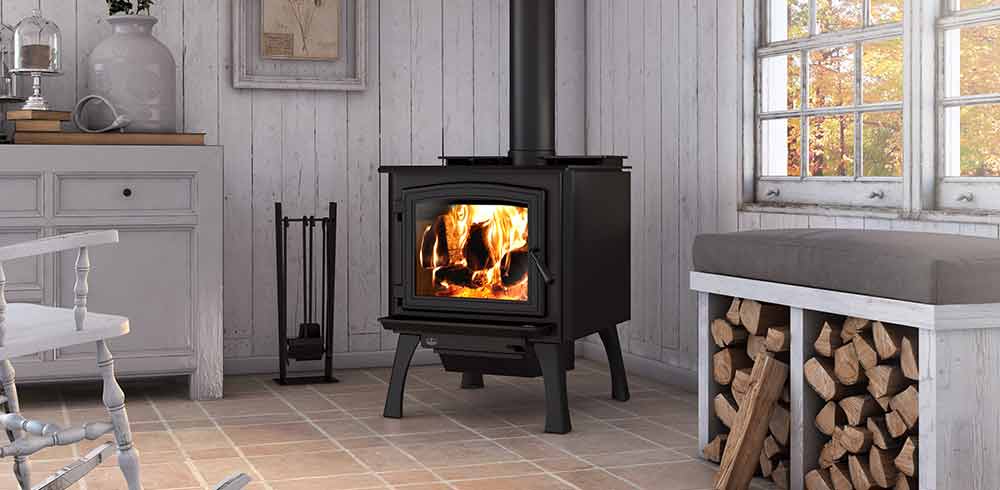
The right wood stove matches your heating needs, available space and willingness to handle firewood. Start with the area you want to heat, confirm a suitable installation location and chimney route, then compare stove size, combustion technology, efficiency and complete project cost. This wood stove buying guide explains what to consider before choosing a wood-burning stove for your home or cabin.
Is a Wood Stove Right for Your Home?
A wood stove can provide comfortable room heat and the atmosphere of a real wood fire. It can be especially appealing when you have reliable access to dry firewood and want an additional heating option during cold weather. However, it requires more hands-on attention than a thermostat-controlled heating system.
- Your heating goal: Decide whether you want occasional supplemental warmth or regular heating in the main living area.
- Available space: Account for the stove, required clearances, floor protection and space to load and service it.
- Firewood access: Consider purchasing or preparing wood, delivery access and dry storage.
- Daily upkeep: Be prepared to load wood, manage the fire and remove ash.
- Installation feasibility: Confirm a suitable chimney route, applicable installation requirements and any local wood-burning restrictions.
A wood stove may reduce your use of another heating fuel, but savings depend on wood prices, existing heating costs, appliance performance and how often you use it. Include the value of your time if you plan to cut, split and stack your own fuel.

How Does a Wood Stove Work?
A wood stove burns firewood inside an enclosed firebox. Heat reaches the room through the appliance’s surfaces and circulating air, while combustion gases travel through the venting system and chimney to the outdoors. Chimney draft and the stove’s air controls help support combustion.
Modern designs use combustion features to burn fuel and smoke gases more effectively. A blower, when offered, circulates room air around the appliance; it does not carry combustion exhaust out of the home.
A freestanding stove also differs from a fireplace insert. A stove occupies its own approved location, while an insert is designed for installation inside a compatible existing fireplace. If you want to update an existing hearth, compare wood fireplace inserts before deciding which appliance type fits the project.
What Size Wood Stove Do You Need?
Choose a stove for the space you can realistically heat, rather than selecting the largest model that fits your budget. An oversized stove can make the room uncomfortable, while an undersized model may struggle to meet your heating goals.
Published heating-area estimates are a starting point. Compare them with these conditions:
- The floor area and ceiling height of the intended heating space.
- Insulation, windows, air leakage and local winter conditions.
- An open layout versus rooms separated by walls, doors or stairs.
- The proposed stove location and how heat can move through the home.
- Whether another heating system will remain in regular use.
Review heat output, firebox capacity and the manufacturer’s explanation of its ratings together. Maximum BTU output does not describe every stage of a wood fire, and a larger firebox does not automatically make a stove the better choice. Avoid planning to control an oversized stove by continually restricting it to a smoldering fire.
Bring a floor plan and your heating goals to the product-selection conversation. Your installer should confirm the site conditions before the purchase is finalized.
Catalytic vs. Non-Catalytic Wood Stoves
Combustion technology affects how you operate and maintain a stove. Compare the actual model instructions and performance rather than choosing by technology alone.
| Design | How It Works | What to Compare |
|---|---|---|
| Catalytic | Uses a catalytic combustor to help burn smoke gases. | Operating procedure, catalyst care and replacement requirements. |
| Non-catalytic | Uses firebox design, heat and combustion air to support further burning of gases without a catalyst. | Air-control operation and maintenance of baffles and combustion components. |
| Hybrid | Combines catalytic and non-catalytic combustion features. | The specific model’s controls, maintenance and performance. |
Ask how each stove behaves during the type of use you expect, including shorter evening fires or longer heating periods. Check the maintenance schedule and availability of replacement components.
Understand Efficiency and Emissions Ratings
Efficiency describes how effectively an appliance converts fuel energy into useful heat. Emissions measurements describe pollutants released during testing. EPA certification and an efficiency percentage provide different information; neither should replace a review of the model’s complete specifications.
Compare efficiency figures measured on the same basis. Higher heating value (HHV) and lower heating value (LHV) ratings use different calculations, so their percentages are not directly interchangeable. Review published emissions information separately.
Real-world results also depend on dry fuel, correct operation and a suitable chimney. A stove’s test rating does not guarantee the same heating cost or performance in every home.
Plan Placement, Clearances and Chimney Requirements
A wood stove does not require an existing fireplace, but it does require a suitable installation and chimney system. Confirm those requirements before choosing a model.
Placement and Floor Protection
Choose a location that serves the intended heating area and allows the required distances from walls, furniture and other combustible materials. Account for loading access and everyday traffic around the hot appliance.
Floor protection must meet the selected stove’s requirements for dimensions and protective performance. Tile or brick alone does not establish that the complete floor assembly is suitable. Wall shields reduce clearances only when the approved installation arrangement permits it.
Stovepipe and Chimney
The connector stovepipe links the appliance to the chimney. The chimney provides the approved exhaust path through or outside the building. These components have different installation requirements and are not interchangeable.
Have an installer evaluate the route, any existing chimney and the components needed. Review chimneys and venting and wood chimney systems once the required system is specified. Confirm any outside-air requirements for the appliance and installation as well.
Wood Stove vs. Pellet Stove: Which Fits Your Routine?
Choose between cordwood and pellet heating based on how you want to fuel and operate the appliance. Neither type is automatically quieter, more powerful or less expensive to run in every situation.
- Fuel handling: A wood stove requires suitable firewood and manual loading. A pellet stove uses approved pellets fed from a hopper.
- Controls: Wood-stove operation involves managing fuel loads and combustion controls. Pellet models commonly automate fuel feeding and offer electronic controls.
- Electricity: Many wood stoves can produce heat without household power. Pellet stoves typically need electricity for fuel feeding, fans and controls.
- Sound: Compare blower and mechanical noise on the actual models.
- Maintenance: Both need cleaning and service, but the components and tasks differ.
- Fuel supply: Compare local availability, storage needs and delivered prices for firewood and pellets.
How Much Does a Wood Stove Cost?
The appliance price is only part of the budget. Request an itemized estimate that includes the work required for your particular home.
- The stove and any selected model-compatible accessories.
- Connector stovepipe, chimney components or an approved liner system.
- Existing-chimney inspection, cleaning and any repairs.
- Required hearth protection and approved shielding, if applicable.
- Installation labor, building modifications, permits and inspections.
- Initial fuel, storage and ongoing maintenance.
A project using a suitable existing chimney can differ substantially from one requiring a new chimney route. Compare complete installations rather than assuming the lowest stove price produces the lowest project cost.
Do not include an incentive in your budget until its current eligibility and availability have been confirmed for your location, appliance and installation date.
What Is It Like to Own a Wood Stove?
Prepare and Store Suitable Firewood
Dry, seasoned firewood supports effective combustion. Plan a storage area that protects wood from precipitation while allowing airflow. Drying time varies with wood species, split size and storage conditions, so elapsed time alone does not prove wood is ready to burn.
Follow the manufacturer’s fuel requirements. Never burn trash, painted wood or treated lumber, and do not assume manufactured fuels are permitted.
Plan for Cleaning and Service
Ownership includes ash handling, glass care and inspection of components such as door gaskets, baffles and firebrick where fitted. Use only cleaning methods and products permitted by the manufacturer, and let the appliance cool before cleaning.
Have the stove and chimney professionally inspected at least annually, with cleaning as needed based on use and buildup. Confirm the maintenance schedule for the model you choose. Suitable tools and ash-handling equipment can be found in fireplace accessories.
Choose Features You Will Use
Compare door access, viewing area, permitted log size, control access and the effort involved in routine cleaning. Check whether a blower is included or offered as an approved accessory. Choose fireplace blower kits only after confirming compatibility with the exact stove.
Before You Buy: Wood Stove Checklist
- Define the area you want to heat and your normal heating routine.
- Compare model output with your home’s layout and conditions.
- Have the location, clearances and floor protection assessed.
- Confirm the chimney route and required components.
- Review combustion technology and maintenance requirements.
- Check access to suitable firewood and dry storage.
- Compare the complete installed cost and ongoing expenses.
- Have your qualified installer confirm the final plan before ordering.
Frequently Asked Questions
Can a wood stove heat my whole house?
Possibly, but do not assume it will. Heat distribution depends on the home’s layout, insulation, climate, stove location and appliance output. Rooms separated by doors or on other levels may remain cooler. Have your heating goals assessed before selecting a model.
Can I use my existing chimney with a new wood stove?
Only after its condition, construction and compatibility have been evaluated. An existing chimney may need cleaning, repairs or a suitable liner. The chimney system must meet the selected stove’s installation requirements.
Will a wood stove work during a power outage?
Many freestanding wood stoves can provide heat without household electricity, but an electric blower will stop unless it has a suitable power supply. Confirm the model’s operating instructions and any restrictions before relying on it for backup heat.
Does a wood stove need a blower?
Not every wood stove requires or accepts a blower. A compatible blower can help circulate warmed room air, but it does not replace chimney draft or the required venting system. Check whether it is included, optional or unavailable for the model.
Can I burn pellets or manufactured logs in a wood stove?
Use only fuels expressly permitted by the stove manufacturer. A cordwood stove is not automatically compatible with pellets, compressed logs or other manufactured fuels. Follow the manual’s fuel and loading requirements.
How long will a wood stove burn between loads?
Burn time varies with the model, fuel, loading method, draft and operating settings. Advertised burn time may not mean useful room heat for that entire period. Compare the manufacturer’s explanation of the rating and choose a stove that suits your normal routine.
What should I send Fireplaces Direct for help choosing a wood stove?
Share the area you want to heat, ceiling height, basic floor plan, insulation details, proposed stove location and photos. Include information about any existing chimney, your heating goals and your installer’s findings so our team can help compare suitable products.
Final Thoughts
A well-chosen wood stove suits both your home and your routine. Match the heating performance to the intended space, confirm the installation requirements and budget for the chimney, fuel and upkeep alongside the appliance.
Explore wood stoves at Fireplaces Direct. Need help comparing models or identifying required components? Call 877-374-2070 or contact our product specialists with your project details and installer’s findings.
Planning a project for a client? Contractors, builders, designers and other trade professionals can apply for a free SpotixPro account for trade pricing and project support.